
The DAX Index has remained in a tight range in the past few weeks as investors reacted to the European Central Bank (ECB) interest rate decision and top earnings. The index was trading at €24,855, down slightly from the year-to-date high of €25,500.
Top DAX Index companies published mixed results
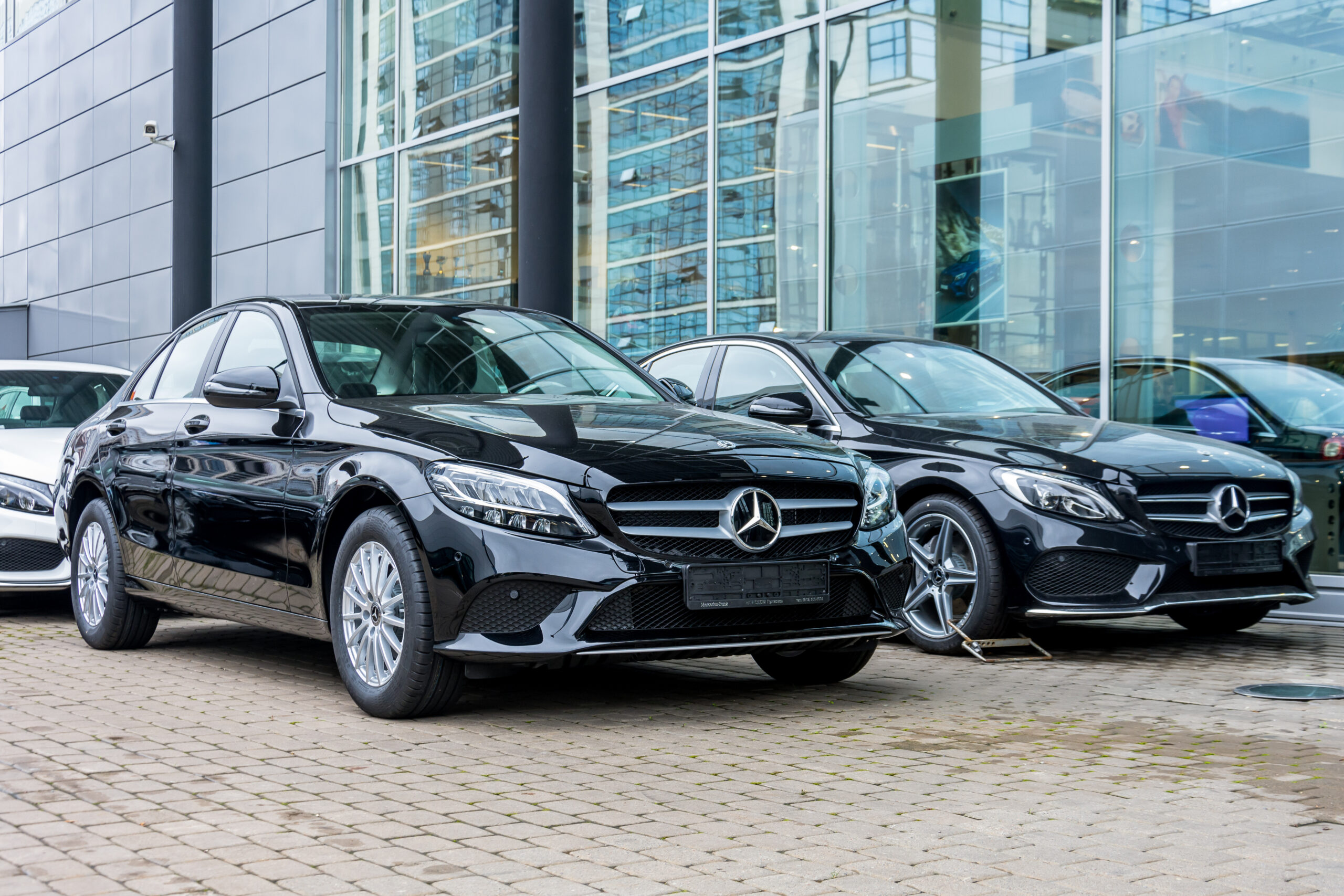
German companies reported some mixed financial results on Thursday. Mercedes-Benz, a top manufacturer known for premium vehicles, published mixed financial results.
Its results showed that its margins remained under pressure as it grappled with tariffs and the rising competition in key markets, especially in China. The company also proposed cutting its dividends from €4.30 to €3.50. Its stock has dropped by nearly 7% from its highest level this year.
Automakers have been grappling with elevated tariffs and the rising competition from new brands from Chinese companies like BYD, Nio, XPeng, and Li Auto that continue gaining market share in China and Europe.
At the same time, their entry into the electric vehicle industry to compete with top names like Tesla is not working out. On Friday last week, Stellantis announced a big write down, citing its electric vehicle business.
Meanwhile, Siemens, a top industrial and automation company, published strong financial results and boosted its guidance. Its revenue growth accelerated because of the rising demand for automation and electrification
The company’s profit in its Digital Industries unit, which makes factory software and automation, rose by 37%, with China being its top gainer. Siemens first quarter orders jumped by 10% to €21.4 billion, with its profit in the industrial business rising by 15% to over €2.9 billion.
Siemens stock has done well in the past few months as industrial production has improved in some key markets in Europe, the United States, and China. Its stock jumped by 58% from its lowest level in April last year, partially helped by its Dotmatics and Altair acquisitions.
Thyssenkrupp’s stock price has soared by over 525% from its lowest level in September 2024 and is hovering near its highest level since 2018. The company published relatively strong financial results and affirmed its full-year outlook despite rising restructuring costs.
It now expects that its adjusted earnings before interest and taxes will be at least €500 million, with its cash outflow being less than €600 million. Still, the company faces major challenges, including weak demand from European automakers.
More DAX Index companies will publish their financial results later this month. MTU Aero Engines and Fresenius Medical Care will publish their results on February 24, while Bayer, Heidelberg Materials, E. Allianz, Deutsche Telecom, and Munich Re will release their results later this week.
DAX Index technical analysis
The weekly timeframe chart shows that the DAX Index has been in a strong uptrend in the past few years. It jumped from a low of €12,000 in October 2022 to a record high of €25,500.
The index has constantly remained above the 50-week Exponential Moving Average (EMA). It has formed an inverted head-and-shoulders pattern, a popular bullish continuation sign.
The index will likely continue rising as bulls target the next key resistance level at €26,000. This view will be confirmed if it moves above the key resistance level at €25,500, the highest swing in January.
The post DAX Index analysis after the Siemens, Mercedes-Benz, Thyssenkrupp earnings appeared first on Invezz
